
Balcony Inspections | SB326 & SB721 Compliance

Protect residents, preserve asset value, and stay fully compliant with California requirements

Why proactive balcony inspections matter

Exterior elevated elements — balconies, walkways, decks, and stair landings — are exposed to weather and hidden moisture damage. SB721 and SB326 place clear obligations on owners and HOAs to inspect and document those elements. At PAR Construction we combine practical field expertise with compliant, photo-documented reporting so you get the facts and the solutions.

Fast, fixed-cost proposals

Know the price up front — no surprises during inspection and reporting.

Certified Reporting

Stamped/sealed reports where required and photo evidence for every flagged element.

Repair-ready team

If repairs are needed we can manage design, permitting, and construction — end to end.

Who Needs Inspections?

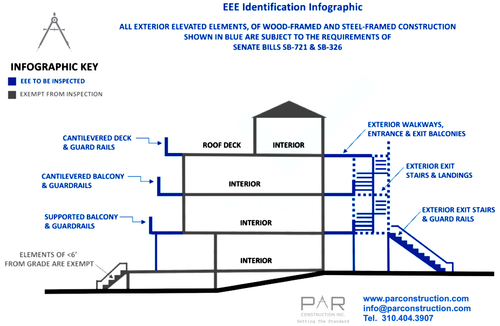
Any owner or manager of buildings with three or more dwelling units that contain exterior elevated elements (balconies, decks, walkways) is required to comply with SB721 / SB326 inspection rules. This includes condominiums, apartments, and mixed-use properties with elevated walking surfaces.

  • Elevated walking surfaces >6 ft above grade
  • Exterior wood or wood-based structural members
  • Conversions to condo/title transfers subject to pre-sale inspection
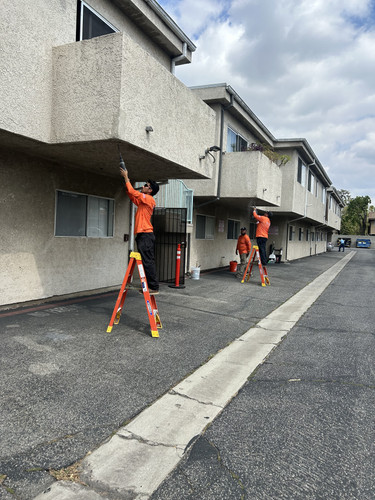
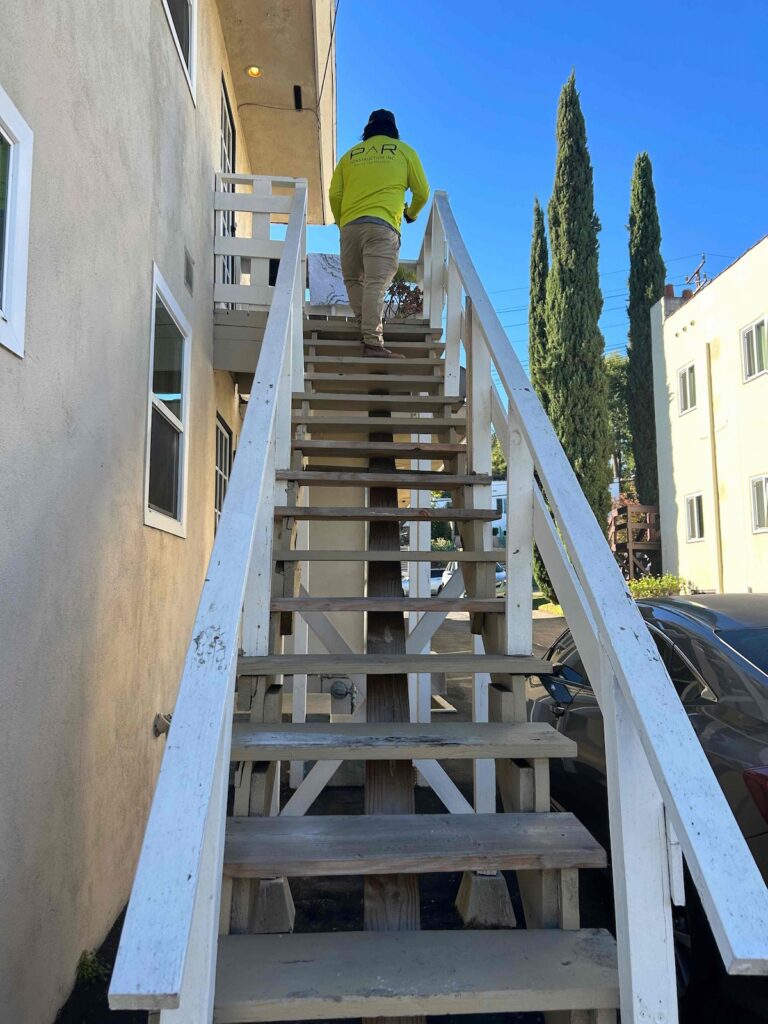
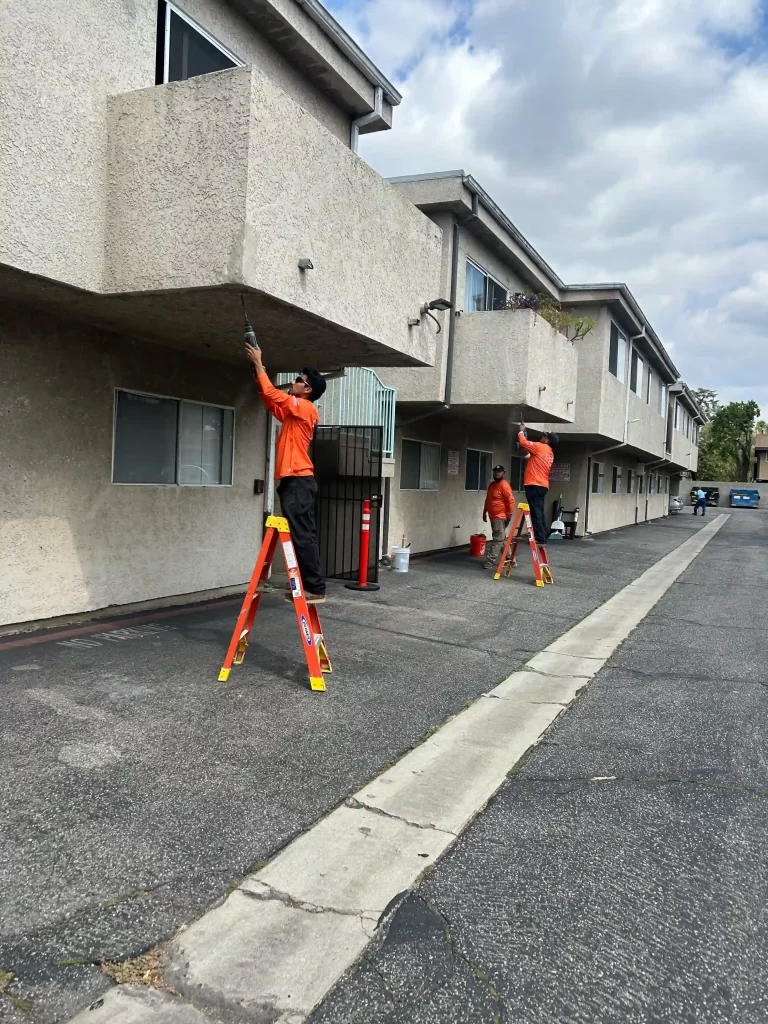
SB721 | SB326 Balcony inspection example photo

Deadlines & Frequency

  • SB721: Initial inspections required on statue timeframe and then every 6 years thereafter.
  • SB326: Inspect common interest developments per schedule set by the law (initial cycles and then every 9 years for repeating cycles).

Par Construction can confirm your building’s specific deadline and provide a documented timeline and checklist.

Why Are Balcony Inspections Important?

Balcony and exterior walkway inspections are essential to maintain structural safety and compliance with California's SB721 and SB326 laws. Over time, exposure to weather can weaken materials, causing hidden decay and corrosion. Proactive inspections ensure early detection, therefore, saving property owners from costly damage and risk exposure.

  • Identify structural deterioration before it becomes critical
  • Preserve property value and meet state safety standards
  • Ensure long-term resident safety and legal compliance
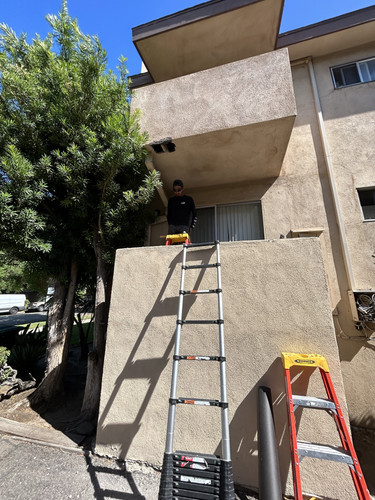
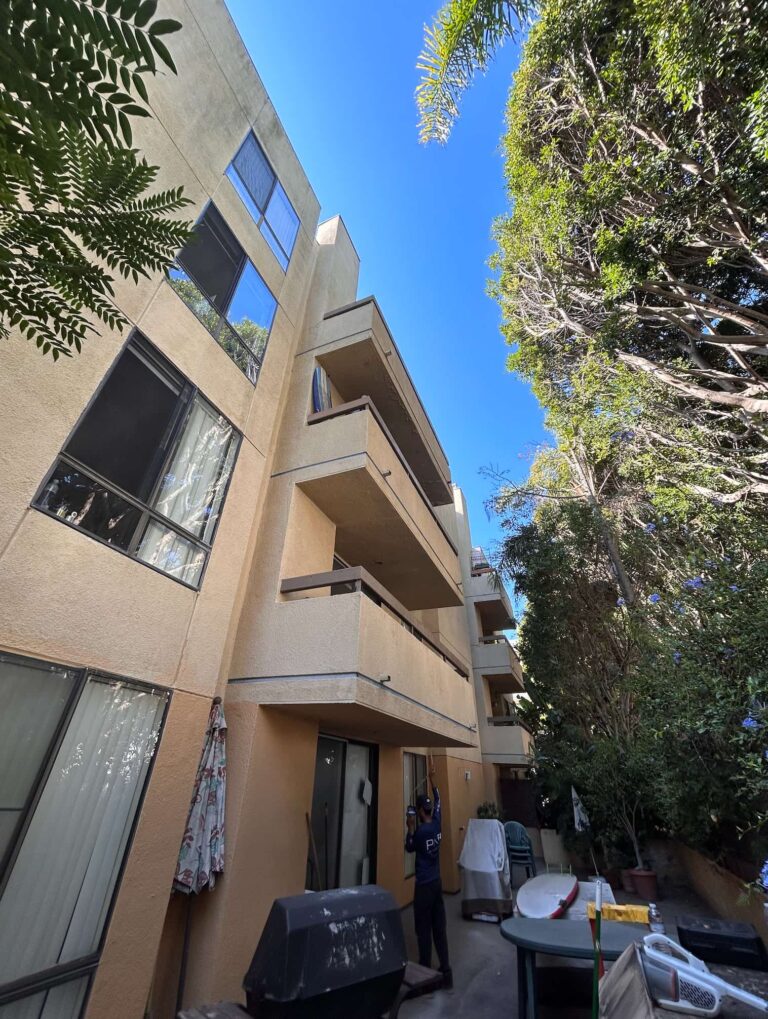
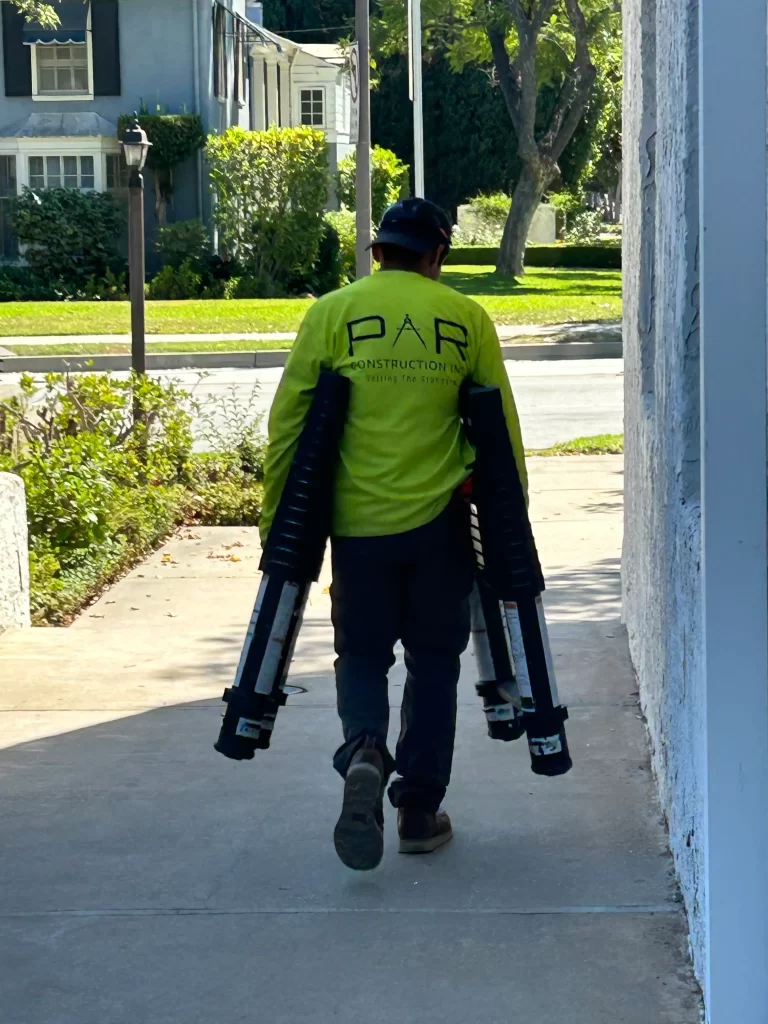
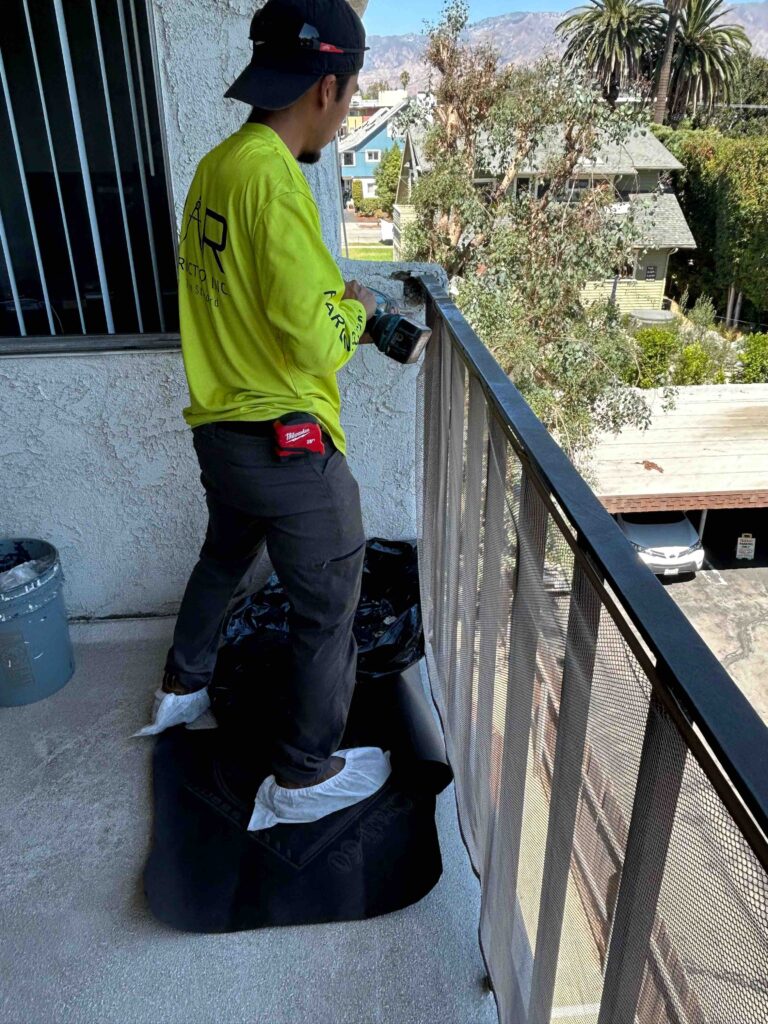
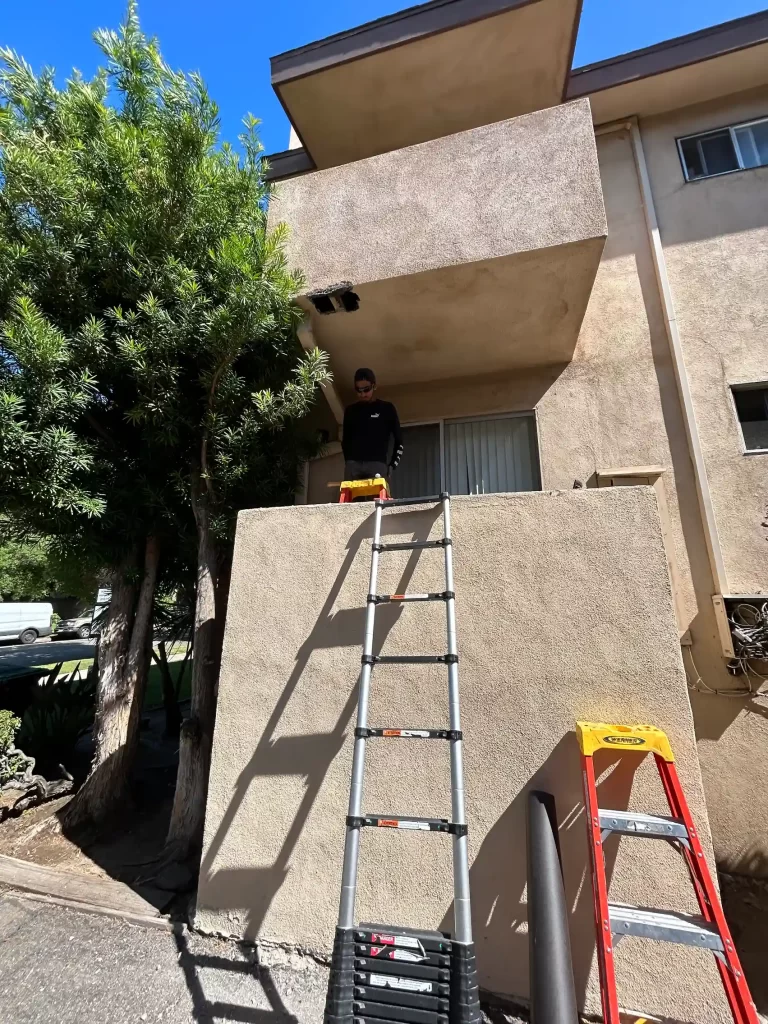
Balcony inspection image left
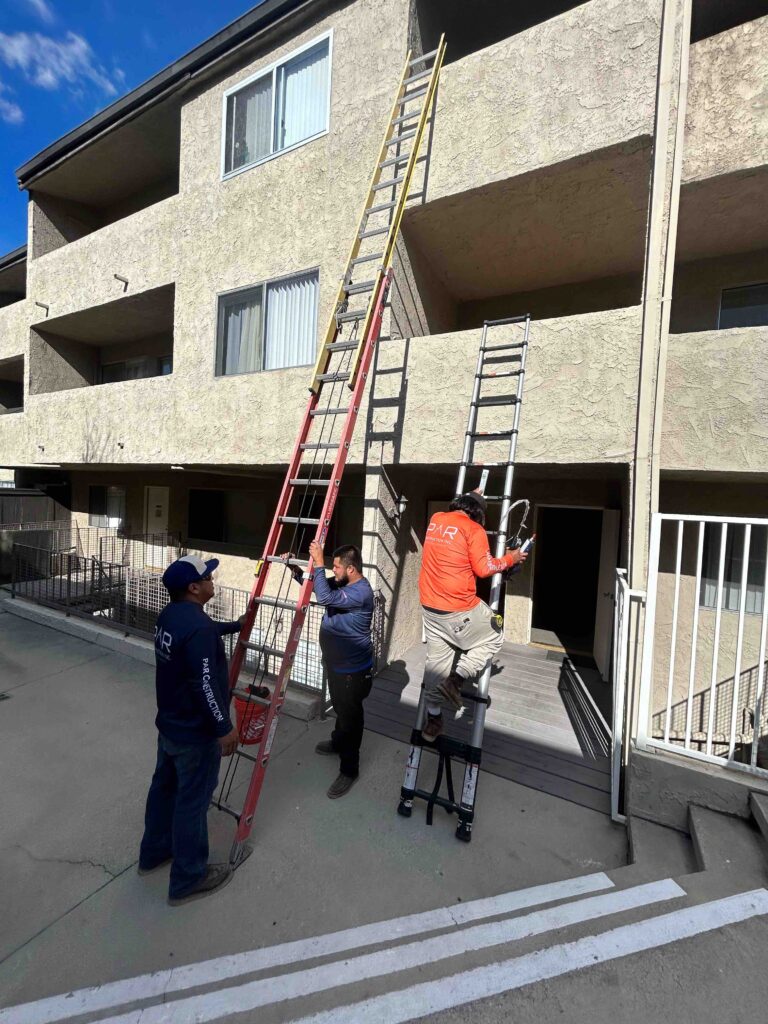
Balcony inspection image right

Our Inspection Program (fast, compliant, clear)

  1. Pre-site intake & scheduling: We review records, aerials, previous reports and schedule an efficient site walk.
  2. On-site inspection: Element-by-element inspection of structure and waterproofing (flashings, membranes, coatings, sealants).
  3. Immediate safety alerts: Any imminent hazards are flagged to you immediately.
  4. Full documented report: Photo evidence, condition ratings, scope of recommended repairs, and compliance notes delivered in a stamped or signed report per jurisdiction rules.
  5. Optional repair management: If repairs are needed, we provide scopes, budgets, permitting and full construction services.

Why PAR Construction?

  • Local California experience with SB721 & SB326; we’ve completed over 400 balcony inspections & counting. 
  • Clear deliverables: Transforming complex inspection data into clear, detailed, actionable reports and proposals – expertise that sets the standard.
  • End-to-end service: Inspection → design → permits → repairs — one accountable team.
  • Transparent pricing: Fixed-proposal options available for each property size.

Frequently Asked Questions

Inspections must be completed by a licensed architect, civil/structural engineer, or qualified contractor as defined by the statutes and local policy. We at PAR Construction are not only qualified but set the standard.

To read the entire inspection law, click here

We issue immediate notifications for hazards and provide emergency mitigation recommendations and costs so you can act quickly to protect residents.

Standard delivery is within 15-30 days from the site visit; expedited reporting options are available for urgent needs.

SB-326 primarily addresses the safety and structural integrity of balconies in buildings governed by homeowners’ associations (HOAs) and condominiums. In contrast, SB-721 primarily focuses on the safety and maintenance of buildings, including apartments and commercial structures, through regular inspections and adherence to certain standards.

SB-326 HOA requires periodic inspections of balconies in buildings governed by homeowners’ associations HOA’s. These inspections must be conducted by qualified inspectors to ensure the structural integrity and safety of balconies. Inspections are mandated to be carried out every nine years for buildings with elevated exterior elements. Distinctly, SB-721 Apartments requires periodic inspections of the entire building, including common areas and individual units, in apartments and commercial buildings. Inspections must be conducted by qualified inspectors to assess the overall safety and maintenance of the building. Inspections are required every six years for buildings with three or more units.

To read the entire inspection requirements under california law, click here.

Typically, the cost of repairs to balconies is covered by the HOA’s reserve funds or through special assessments levied on homeowners within the association. The law may outline specific procedures for allocating funds, determining the responsibility of individual homeowners, and prioritizing repairs based on the severity of safety concerns.
SB-721 Apartments does not specify provisions for funding repairs directly. The responsibility for funding repairs to address safety concerns identified during building inspections typically falls on the building owner or management entity. Building owners may use various means to finance repairs, including allocating funds from operating budgets, obtaining financing, or passing repair costs on to tenants through lease agreements.

Ready to schedule an inspection?

Call us, request a proposal online, or use the quick inquiry form — we’ll confirm deadlines and provide a fixed-cost inspection proposal.

SB721 & SB326 Compliance

SB721 for Apartment Owners

California Senate Bill 721 (SB721) was enacted in response to the 2015 tragic deck collapse at the Library Gardens Apartments resulting in the deaths of six people and serious injury to seven more. SB721 legislation requires inspection of all Exterior Elevated Elements (EEE) of apartment communities prior to January 1, 2025 and every six years thereafter.

Read More

SB326 For Condo Owners

California Senate Bill 326 (SB326) was enacted in response to the 2015 tragic deck collapse at the Library Gardens Apartments resulting in the deaths of six people and serious injury to seven more. SB326 legislation requires the inspection of all Exterior Elevated Elements (EEE) of common interest communities prior to January 1, 2025, and every nine years thereafter.

Read More

The Inspection Process

Our inspection program is completed in 5 phases starting with on-site surveys, full-site inspections, safety inspection, final reporting, and lastly a structural and architectural design document.

Read More

Repairs of Exterior Elevated Elements

Should initial inspections identify conditions that effect the structural integrity of Exterior Elevated Elements, We offer a complete package of services to assist in the repair of the affected element(s). Our services include architectural and structural design of repairs, permit application, bid preparation and management, and more.

Read More

Finding a Licensed Structural Engineer

Finding a licensed structural engineer is crucial when you need professional expertise in assessing, designing, or inspecting the structural integrity of a building or infrastructure. Structural engineers play a pivotal role in ensuring the safety and stability of structures, for both homes and commercial buildings.

Read More

Portfolio Analysis

PAR’s engineering partners can provide a report detailing the current condition of the Exterior Elevated Elements at your property for the purpose of estimating the cost of repairs. This design should then be submitted to the authority with jurisdiction for permitting and then to a contractor for bidding.

Read More